
Canton of Zurich
Mouse Control Zurich – Professional Treatment for Homes and Businesses
House mice need very little: a gap the width of a pencil, somewhere sheltered to nest and a food source. Autumn and winter are when most calls come in, as mice move into heated buildings.
A few droppings behind the cooker are easy to clean up, but they rarely mean a single animal. It is worth checking properly how the mice are getting in.
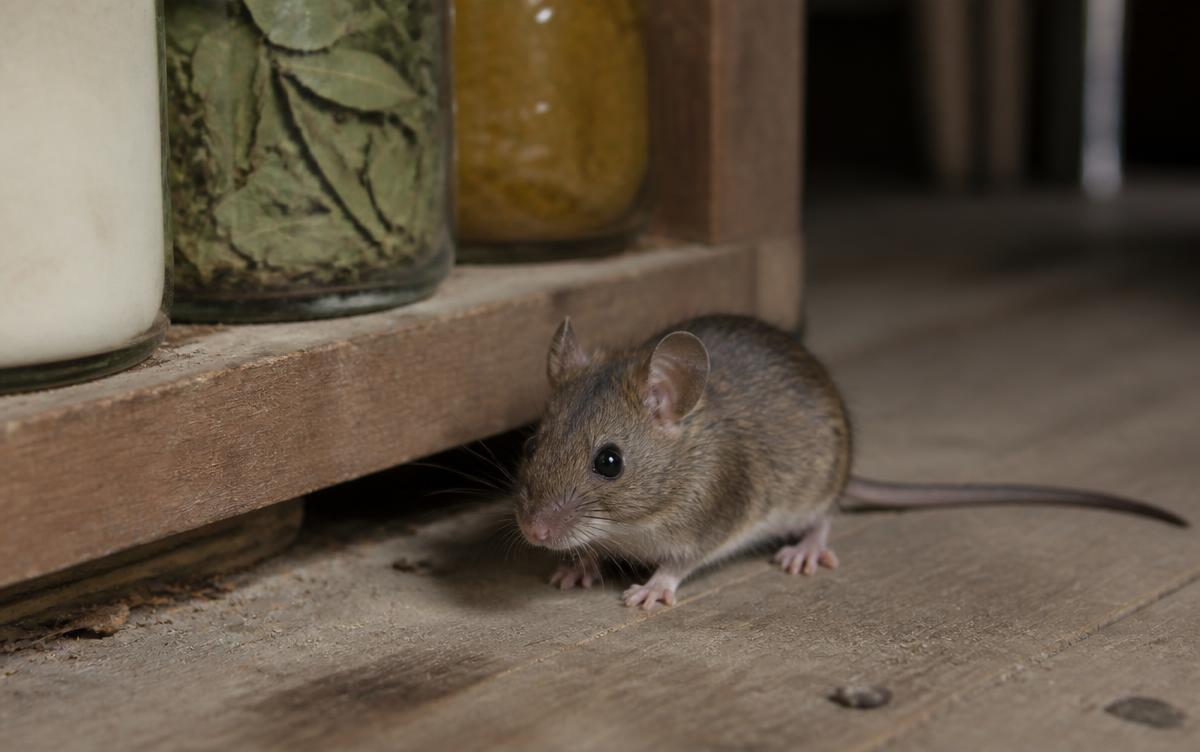
Signs to look for
- Small dark droppings, roughly the size of a grain of rice, in cupboards and along walls
- Gnawed packaging in the pantry and shredded paper or textile nesting material
- Scratching and scurrying sounds at night in walls, ceilings or behind appliances
- A distinct musty, ammonia-like smell where mice are established
Where we usually find them
- Kitchen units, behind fridges and cookers
- Basement rooms, storage areas and service ducts
- Suspended ceilings, insulation layers and wall cavities
- Garages, garden sheds and boiler rooms
- Storage and back-of-house areas in shops and restaurants
What to do now
- Store food and animal feed in sealed containers
- Clean droppings with disposable cloths and gloves, do not sweep them up dry
- Note where the droppings and sounds are concentrated
- Call us and describe the building and the affected rooms
What to avoid
- Scattering loose poison bait in cupboards or open rooms
- Sealing suspected entry points before the population has been dealt with
- Relying on ultrasonic repellers – there is no reliable evidence they work
Is this urgent?
Nests at entrances, rodents in food areas or a sting risk for allergy sufferers are treated as urgent.
Risks if it is left
- Contamination of food, crockery and work surfaces
- Gnaw damage to cables and appliances
- Quick population growth – mice breed all year round indoors
How we handle it
We locate the activity, identify the species and check the likely entry routes into the building.
Traps or secured bait stations are placed exactly along the runs. In kitchens and food areas we work with methods suited to that environment.
Once the population is under control, we go through the structural gaps that need sealing so the problem does not simply return.
Prevention
- Seal gaps around pipe penetrations, doors and basement windows
- Keep dry goods and pet food in hard-sided sealed containers
- Check basement and utility rooms in autumn, when mice move indoors
Mice in and around Zurich
In Zurich, older apartment buildings with open service ducts and shared basements are typical, as are houses with adjoining gardens on the outskirts and in the Zurich Unterland. In a building with several units, neighbouring flats often need to be checked too.
Process
How the service works
- 01
Phone assessment
You describe the situation. We narrow down the species, the urgency and the likely price range.
- 02
Inspection on site
We identify the pest, the extent and the entry routes, and document what we find.
- 03
Targeted treatment
The least invasive method that will actually work – explained before we start.
- 04
Follow-up check
We verify the result and tell you which structural fixes prevent a repeat.
What to tell us on the phone
- What you have seen, where and how often
- Type of property: flat, house or commercial premises
- Whether children, pets or allergy sufferers are in the household
- Photos of the pest or the traces, if you have them
FAQ
Mice – frequently asked questions
A house mouse can pass through an opening of about six millimetres – roughly the width of a pencil. That is why sealing work has to be thorough rather than approximate.
Related services
Mice problem in Zurich? Call us.
We assess the situation with you on the phone, explain what is needed and give you a realistic price range.